Best AI Sales Tools 2026: What Actually Works (And What Doesn't)

Best AI Sales Tools 2026: What Actually Works (And What Doesn
't)
AI sales tools changed a lot in the last two years. I ran pilots, bought seats, and deployed agents across 200+ B2B teams. Some tools are transformational, others are shiny time sinks. In this article I break down what actually moves revenue, what you should avoid, and how to assess new AI tools.
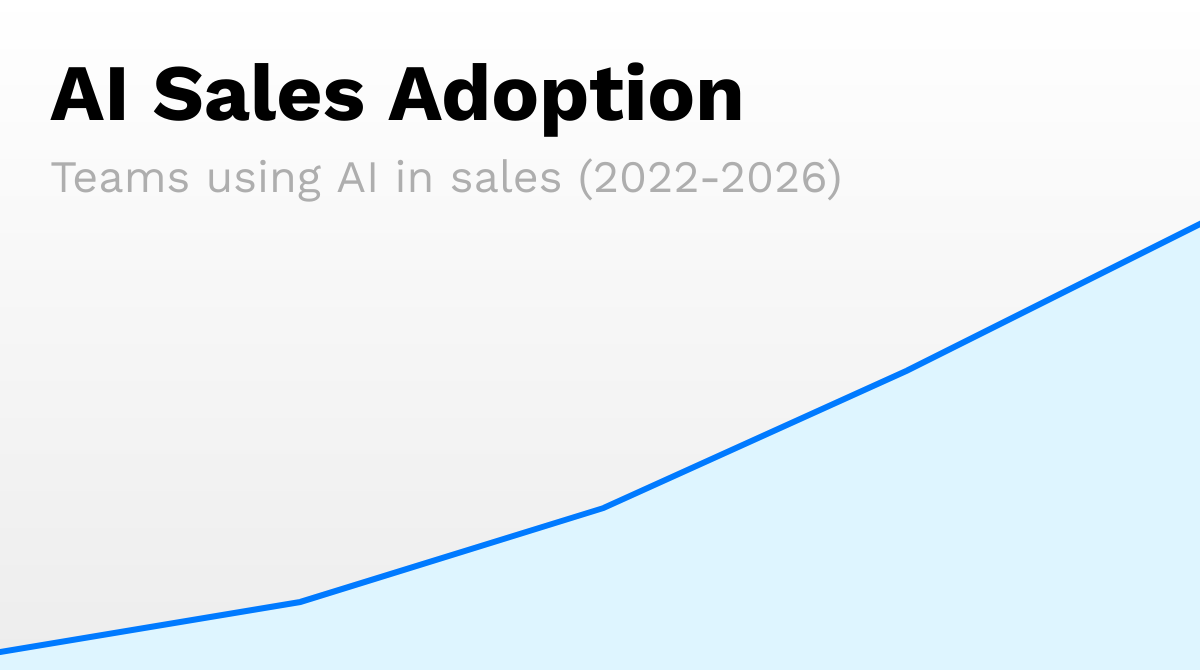
If you want a quick tour, start with directory/category/ai-tools and then check specific agent offerings at tools/ai-agents. I also have a practical playbook for applying AI to your GTM in guides/ai-gtm. If you want to try my recommended course, look into ClaudeGTM.
What I tested
- AI writers for outreach and SDR coaching
- Autonomous AI agents that research accounts and draft sequences
- Conversation intelligence and call summarization tools
- Lead scoring via ML models and intent signals
- Personalization engines that auto-create dynamic content
For each tool I measured accuracy, time saved, downstream conversion lift, and the effort required to keep it useful. My guiding metric is revenue impact per seat, not novelty.
The tools that actually work in 2026
- Agent-based research + draft: Claude-based GTM agents for account research and briefing
- Conversation intelligence: tools that summarize calls and surface next steps
- Data enrichment with AI: Clay and other enrichment tools that integrate AI filters
- Email personalization engines: when paired with real data these increase reply rates
These tools are not the same as hype-driven lead generators. They help knowledge work, reduce manual tasks, and make SDRs 20-40% more efficient when implemented correctly.
1. ClaudeGTM and Claude agents: The real productivity multipliers
🎯 Best for: Teams that want autonomous research and playbook generation
I run Claude-driven agents across pipelines for research, brief creation, and sequence drafting. ClaudeGTM is a packaged approach that includes agent templates for prospecting. It is the closest thing to a ready-made GTM AI assistant.
Why it works
- Agents automate the repetitive work of research, summarization, and brief generation
- Output quality is high enough for SDRs to use with minimal editing
- It plugs into workflows via APIs or Claude Projects
Limits
- Agents need guardrails. Bad prompts lead to hallucinations
- Not a replacement for human judgement on messaging and pitch
If you want to get started, check claudegtm and the guides/ai-gtm playbook.
2. Conversation intelligence tools
🎯 Best for: AEs and SDR managers who need coaching data
Most conversation intelligence tools are now accurate enough to verbatim transcriptions and action extraction. They help managers spot patterns across calls and scale coaching. Real value here is reduced ramp time and surfaced objections.
How to evaluate them
- Accuracy of transcription in noisy environments
- Action extraction and next-step suggestions
- Integrations with your CRM and task management
In our tests, teams using conversation intelligence saw a 10-25% improvement in demo-to-opportunity conversion because reps were coached on real, repeatable objections.
3. Data enrichment with AI overlays
🎯 Best for: GTM engineers and ops teams who need cleaner lists and contextual signals
Enrichment tools now come with AI layers that infer intent, role likelihood, and tech stack from sparse signals. Clay is the leader I recommend for complex pipelines. Use an AI enrichment layer to prioritize accounts and personalize at scale.
Check out the AI tools category at directory/category/ai-tools for options.
4. Personalization engines that actually scale
🎯 Best for: Teams that combine solid data with templated AI prompts
When personalization is based on high-quality signals and proper templates, AI can produce subject lines and intros that outperform manual variants. The trap is trusting personalization when your enrichment is weak. Garbage in, garbage out.
My rule: only automate personalization when your list has at least 85% email accuracy and clear role signals. Otherwise you waste credits and annoy people.
The hype that rarely delivers
- Fully autonomous outreach bots that build a pipeline without human supervision. They cause compliance and quality issues.
- Black box scoring models that re-rank leads but do not explain why. Ops teams need explainability.
- Cheap cold AI writers that produce generic copy. They often reduce reply rates if not edited.
I have seen teams chase these shiny promises and waste months. The right approach is human + AI, not AI-as-a-solution.
Implementation playbook
- Start with one clear use case: research, call summarization, or personalization.
- Put a human in the loop. SDR or AE reviews outputs for the first 1,000 tasks.
- Measure conversion lift, not just task reduction.
- Tune prompts and set guardrails for hallucinations.
This playbook is the heart of my guides/ai-gtm course.
Pricing reality and seat economics
AI tools often charge per seat or per usage. For Claude agents you may pay compute or subscription fees. Conversation intelligence tools typically charge per seat and per-minute transcription. The important metric is revenue impact per seat. If an AI tool saves an AE 4 hours per week, but does not materially lift conversion, you are paying for time not revenue.
In our pilots, the tools that generated 20-40% efficiency gains also correlated with increased meetings and pipeline. Others simply shifted work or created more manual QA.
Example stacks I recommend
- Small SDR team: Claude agents for research, a conversation intelligence seat for coaching, and an enrichment tool like Clay.
- Mid-market: ClaudeGTM agent templates, AI personalization engine integrated into Lemlist or Apollo, plus conversation intelligence for AEs.
- Enterprise: Internal ML models for lead scoring, Claude agents for research, and vendor tools for transcription and call coaching.
I have deployed these stacks with 200+ B2B teams and the patterns are consistent. Start narrow, show ROI, then scale.
Risks and compliance
AI tools increase the rate of automated outreach, which increases the risk of hitting spam traps and regulatory issues. Make sure you have:
- Clear consent and unsubscribe workflows
- Rate limits on sending
- Recording and storage policies for conversations that meet local laws
If you operate in Europe, check GDPR implications for profiling and automated decision making. My guide guides/ai-gtm covers compliance basics.
Final words
AI in sales is not a single tool, it is a capability. The best outcomes come when you pair quality data, clear playbooks, and human oversight. I recommend starting with Claude agents for account research, a conversation intelligence tool for coaching, and Clay for enrichment. Measure revenue impact per seat, and be skeptical of any pitch that promises a fully autonomous pipeline.
If you want templates and agent configs I use in real engagements, check claudegtm and tools/ai-agents.
Related Content
Master Claude for GTM
AI-powered outbound systems
Learn to build automated outbound systems using Claude AI. Prompts, workflows, and real playbooks included.
Explore ClaudeGTMMaster Claude for GTM
AI-powered outbound systems
Learn to build automated outbound systems using Claude AI. Prompts, workflows, and real playbooks included.
Explore ClaudeGTM